


The 2010s: A Decade of Growth and Recognition
As the landscape of HIV support continues to evolve, so does TVPS. In the early part of the decade, we secure two major sources of funding, one from Children in Need, enabling the recruitment of our first dedicated Youth Worker, and another from Comic Relief, which funds a specialist role for older people living with HIV.
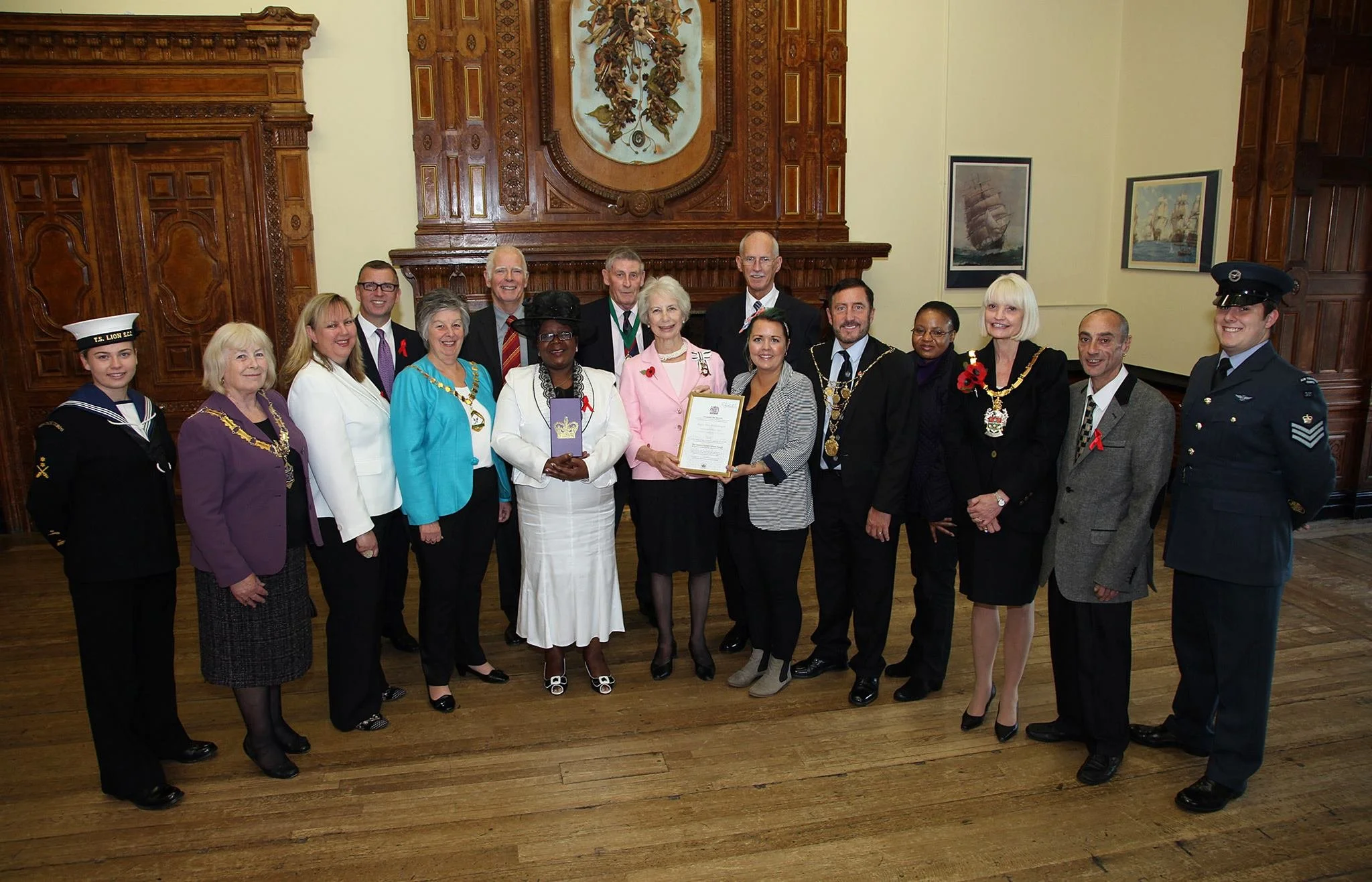
In 2013, our efforts are formally recognised when we are honoured with the prestigious Queen’s Award for Voluntary Service, the highest accolade a UK voluntary group can receive.
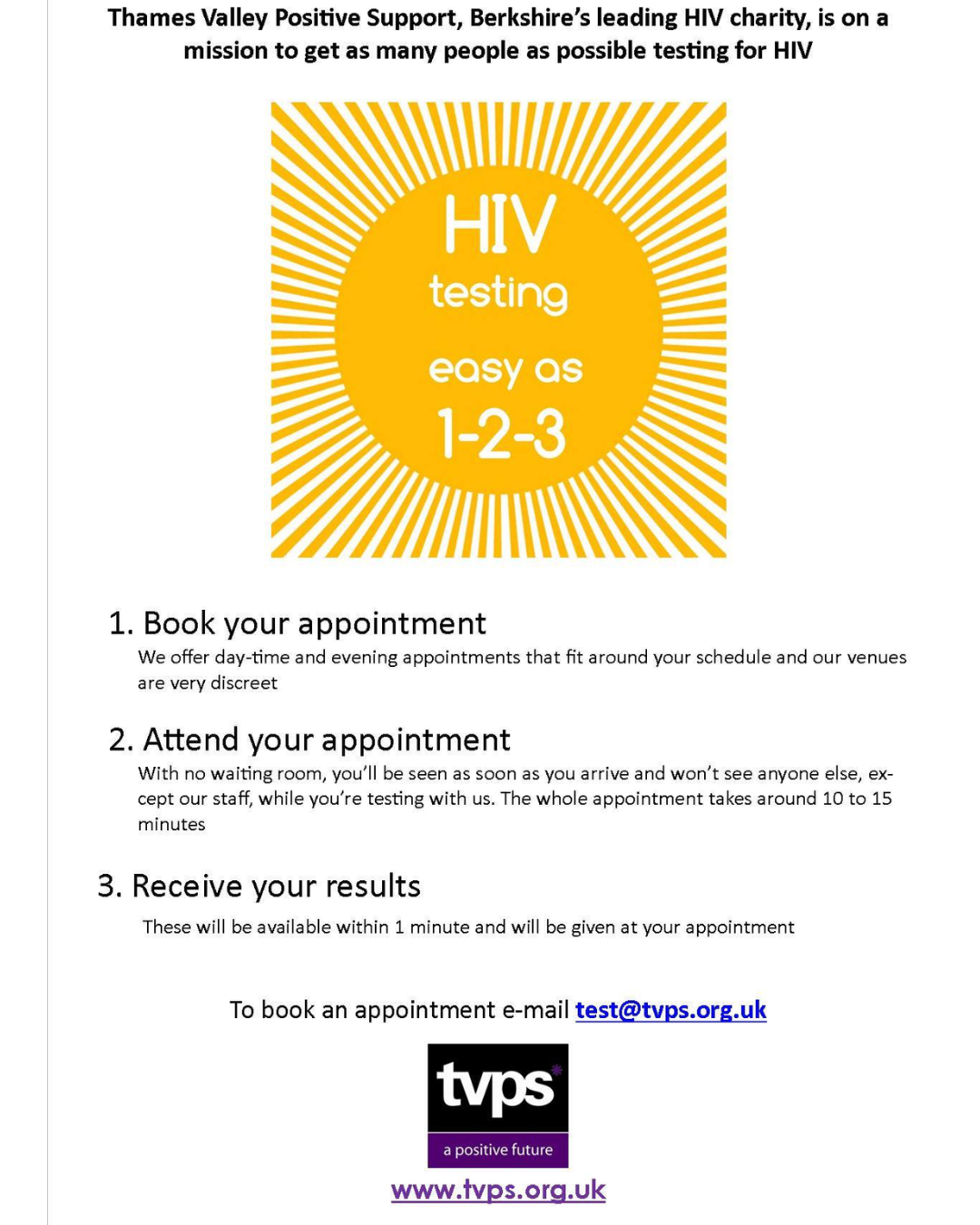
Innovation remains at our core, and in 2014, we introduce free HIV testing, breaking down barriers and making it easier than ever for people to know their status.
Momentum builds as we are shortlisted for the National Sexual Health Charity Awards in 2015, and a year later, our CEO Sarah Macadam is recognised for her leadership, earning a place on the shortlist at the Sue Ryder Women of Achievement Awards.
By 2018, we hit a proud milestone, our 750th HIV test, a testament to the trust we've built in our community and our unwavering commitment to accessible, stigma-free services.
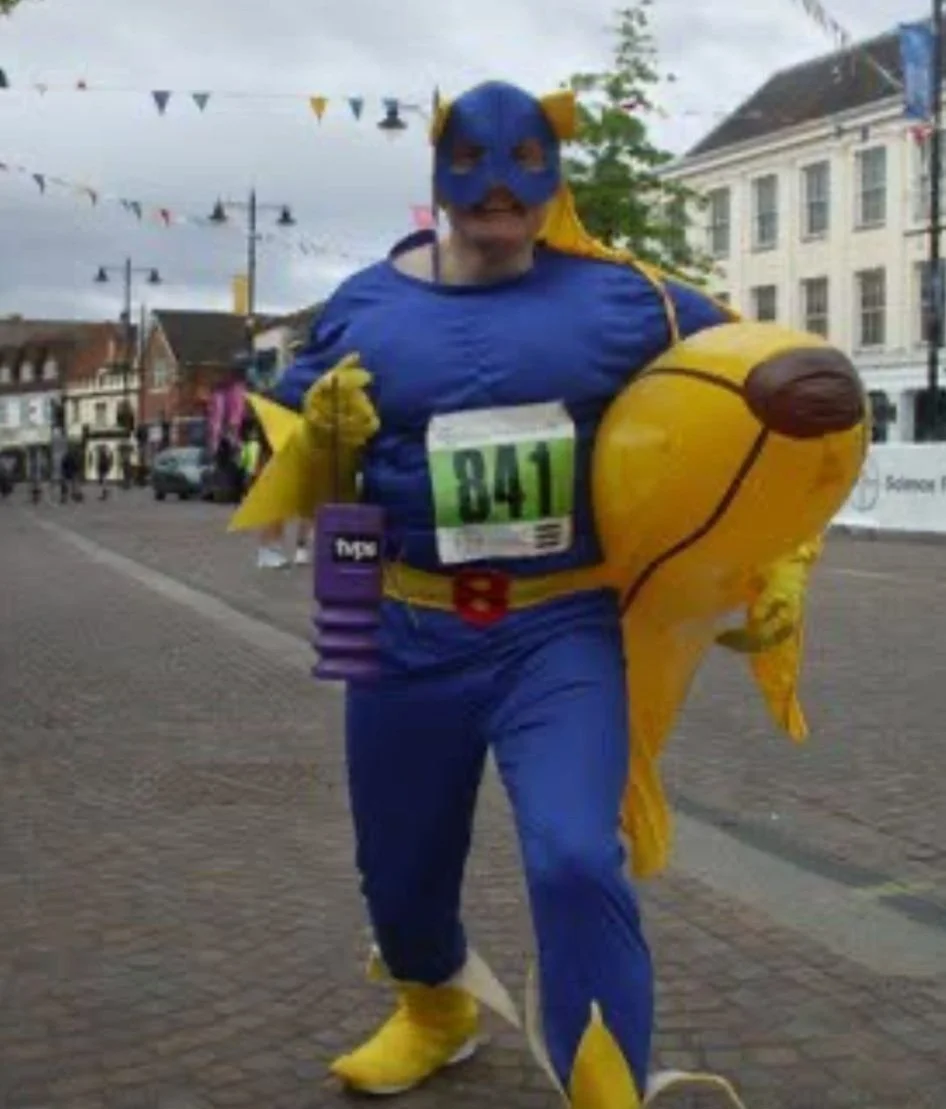
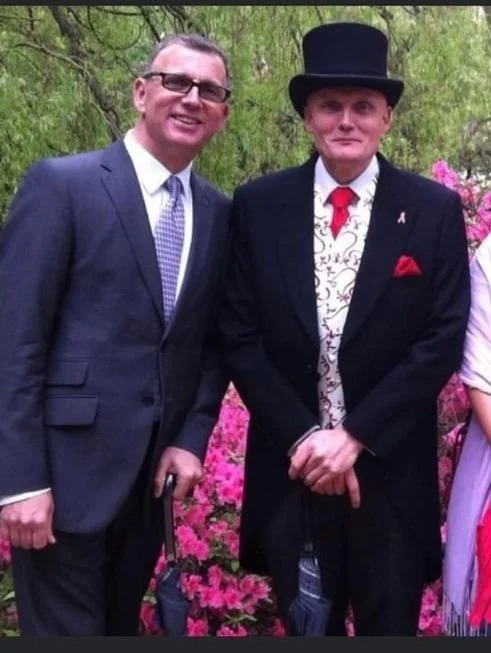
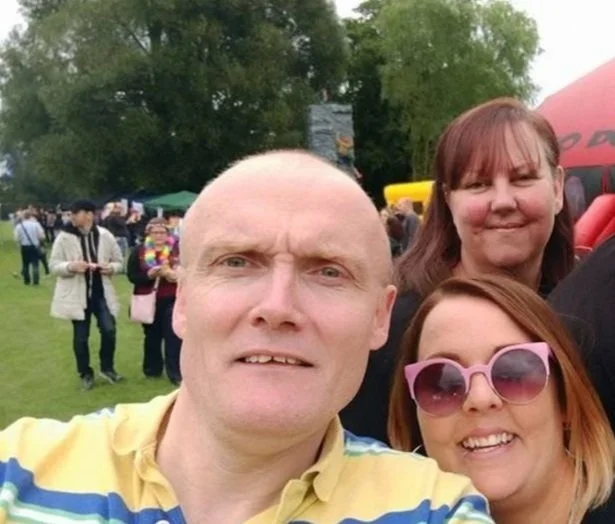
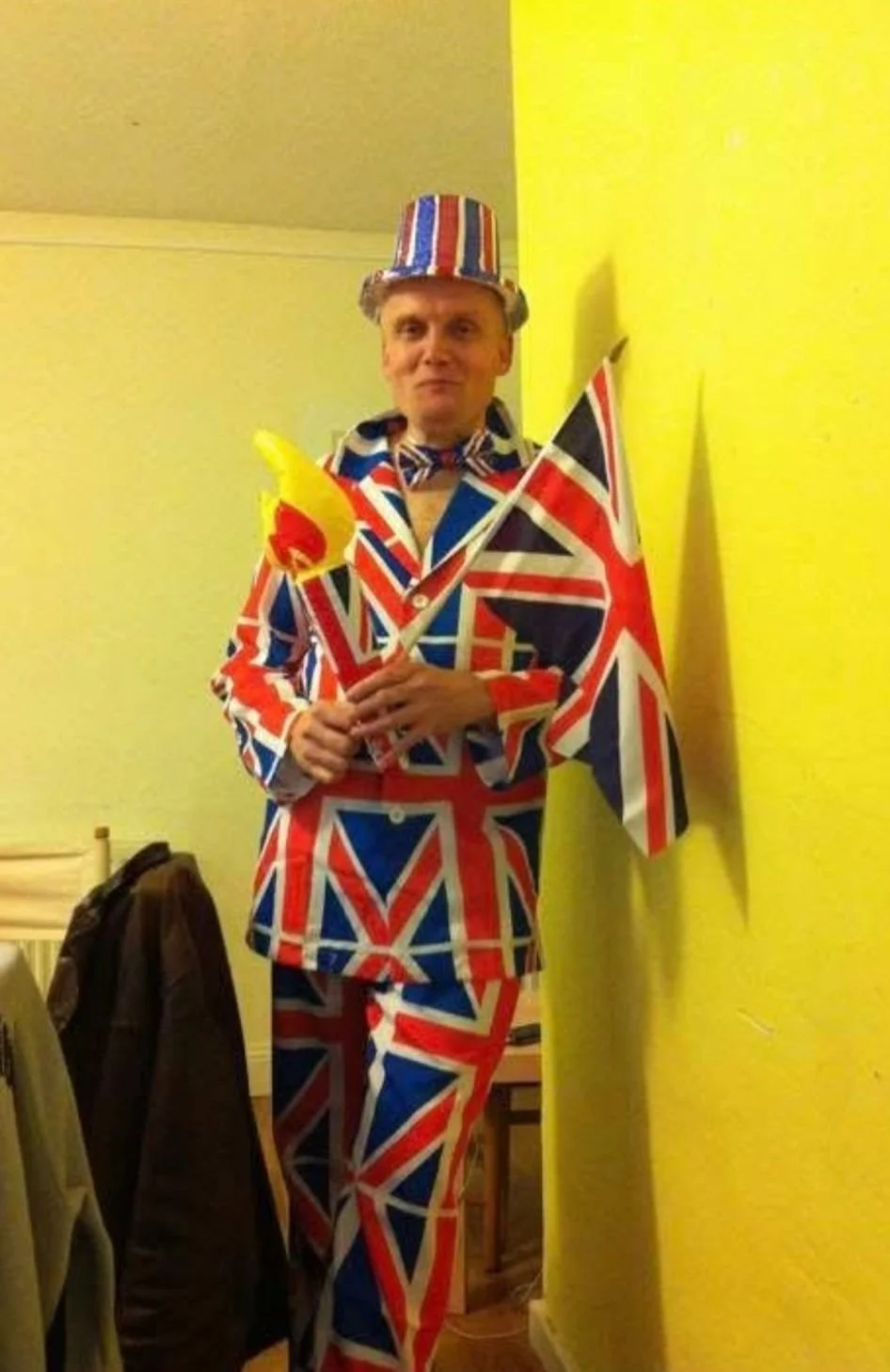
In 2013, TVPS received the highest honour a voluntary organisation can achieve, the Queen’s Award for Voluntary Service, often described as the “MBE for charities.” A huge milestone and a proud moment in our history

*Logan - diagnosed with HIV in 2015

“I was lucky, because I tested regularly it meant I was diagnosed fairly soon after contracting HIV“
I hadn’t had a relationship for a while, and I had just been having casual sex. I went for full STI screens at the clinic regularly as I was having some unprotected sex. I had contracted some STIs over the years, but I never considered I would be at risk of becoming HIV positive. As far as I was concerned it was just an irrelevant part of the STI screening tests. I had a urine infection, and this prompted me to get a full STI screen, so off I went for my tests and then I got a call asking me to come into the clinic again. I felt something was wrong and refused to agree to attend until they told me. They confirmed my HIV test had come back positive. When you’re diagnosed, there’s a bit of denial involved, well there was for me anyway. When they told me I was HIV positive I wanted to get a second opinion, because I thought they could make mistakes, but it's really accurate and I didn't end up getting an opinion and began to accept my diagnosis. If I’m honest with myself, I think it had always been in the back of mind that maybe I could be HIV positive, because of the unprotected sex, but I pushed it down and ignored it. I didn’t want it to be true, so I was in massive denial. I had spent the next few months after my diagnosis blocking out reality and the reality of the situation.
My sexual health clinic told me about TVPS and I got in touch with them. They were really helpful because I was in a desperate space. I felt so toxic and like I didn't really have anyone I could share my diagnosis with. Things had spiraled in my life so much and I became homeless and was in debt. TVPS helped me get a flat and also to begin dealing with my debt. I was able to talk with staff and get advice when I needed it. I also got to meet other people in the same boat as me and slowly I felt better and less alone. I've met some really nice people that I'm still friends with today.
Looking back I actually think I was lucky because I tested regularly it meant I was diagnosed fairly soon after contracting HIV, rather than living with it without knowing for a long time and getting ill. The earlier you’re diagnosed, the better it is for you. You can get on medication, and this will stop you from passing it on to anyone else. I think that's something people really need to know about - the people who have tested, who know they are HIV positive and are on medication are not the ones passing it around, it’s everyone that doesn’t test and doesn’t know they have HIV.
The stigma around HIV puts people off testing, and that needs to change. I want people to know that HIV isn’t a death sentence. You can live a long, healthy life, have relationships, have children – the HIV that people remember from the 80s and 90s is just not the reality of HIV anymore and people need to get educated about that to make sure more people test.
2015 - TVPS Celebrates 30 years!

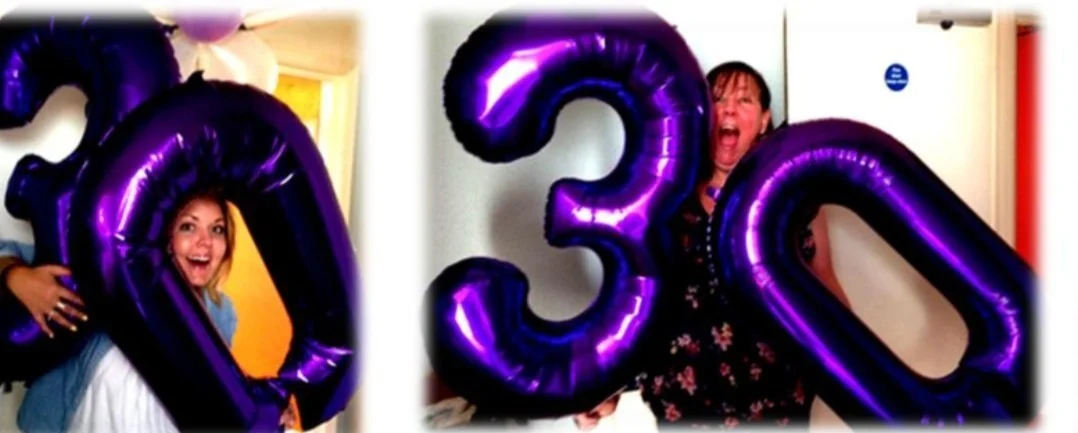
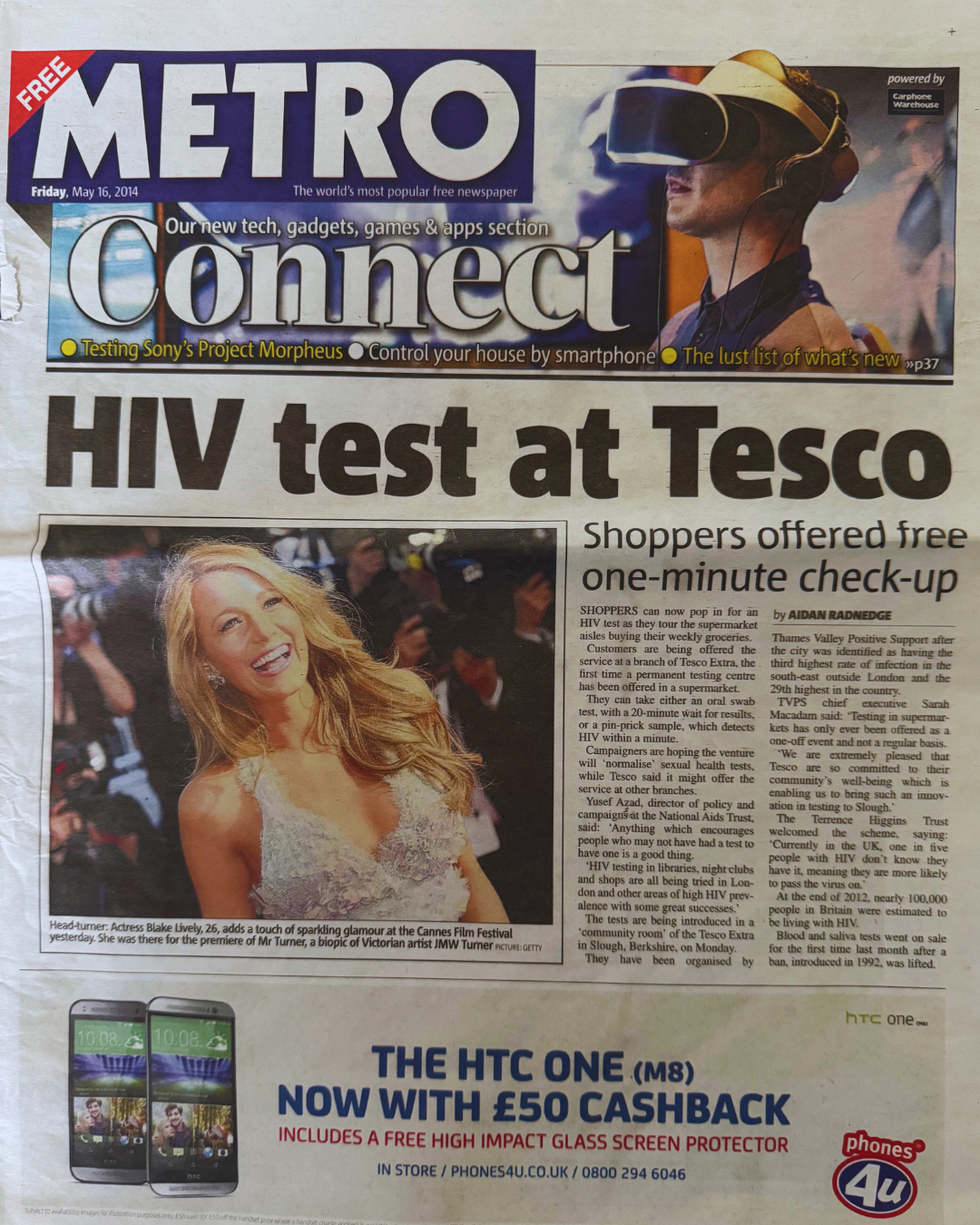
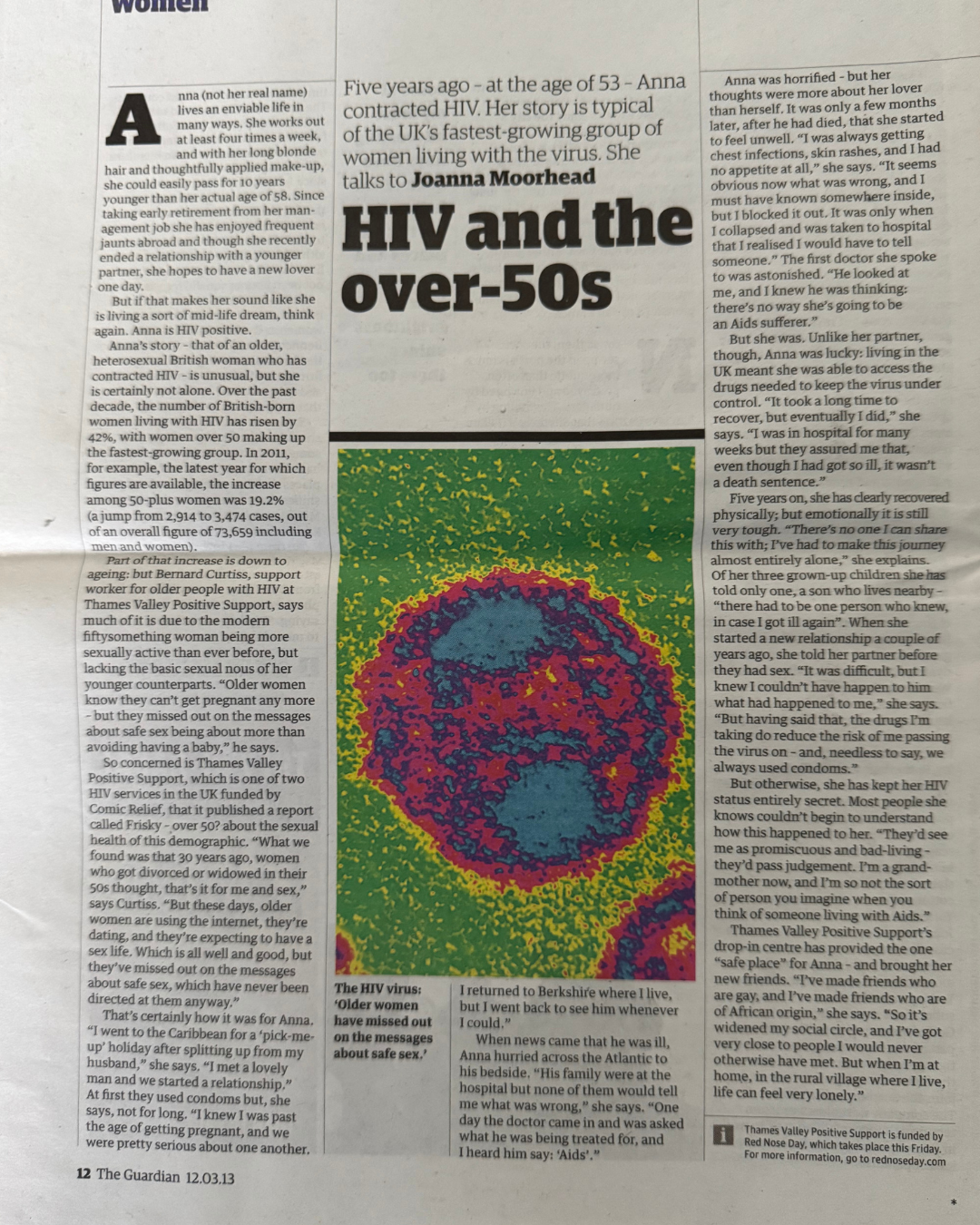

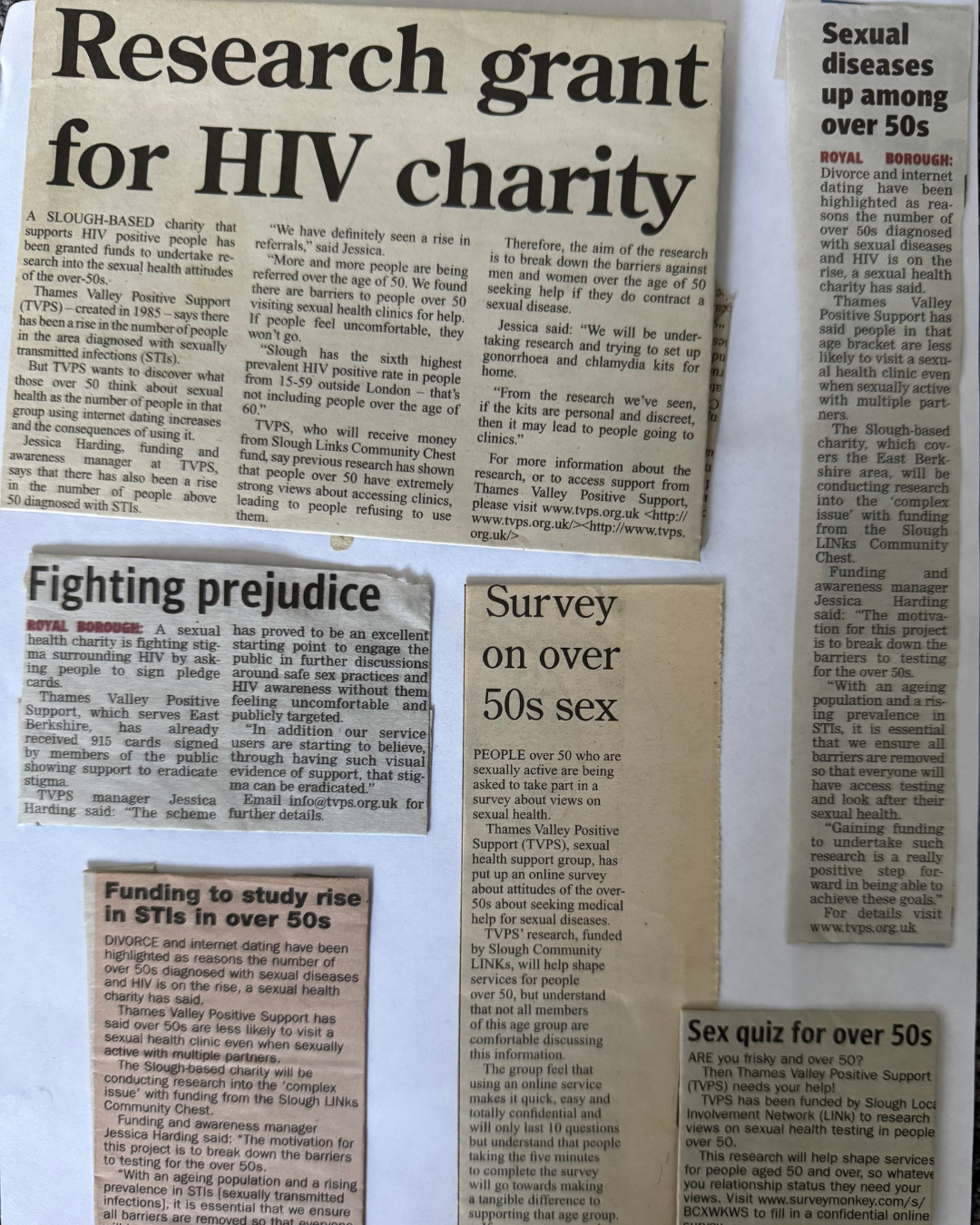
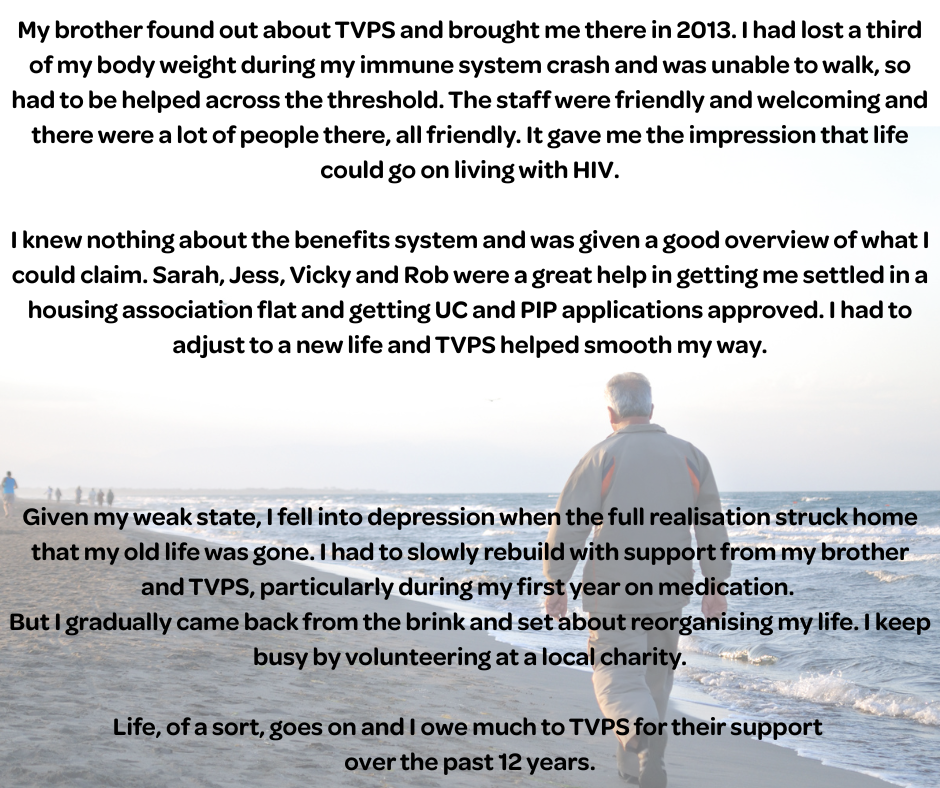
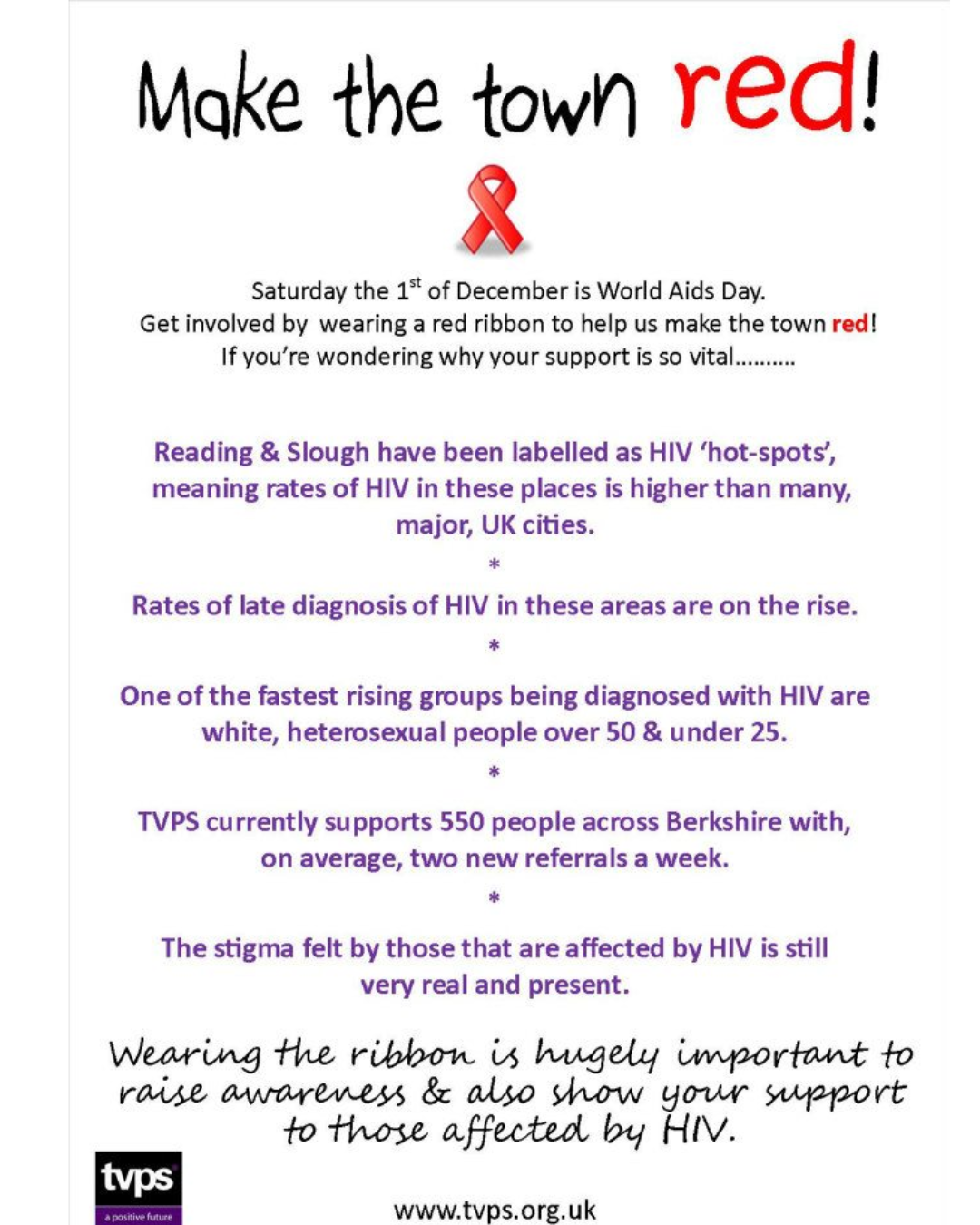
Service User Memories


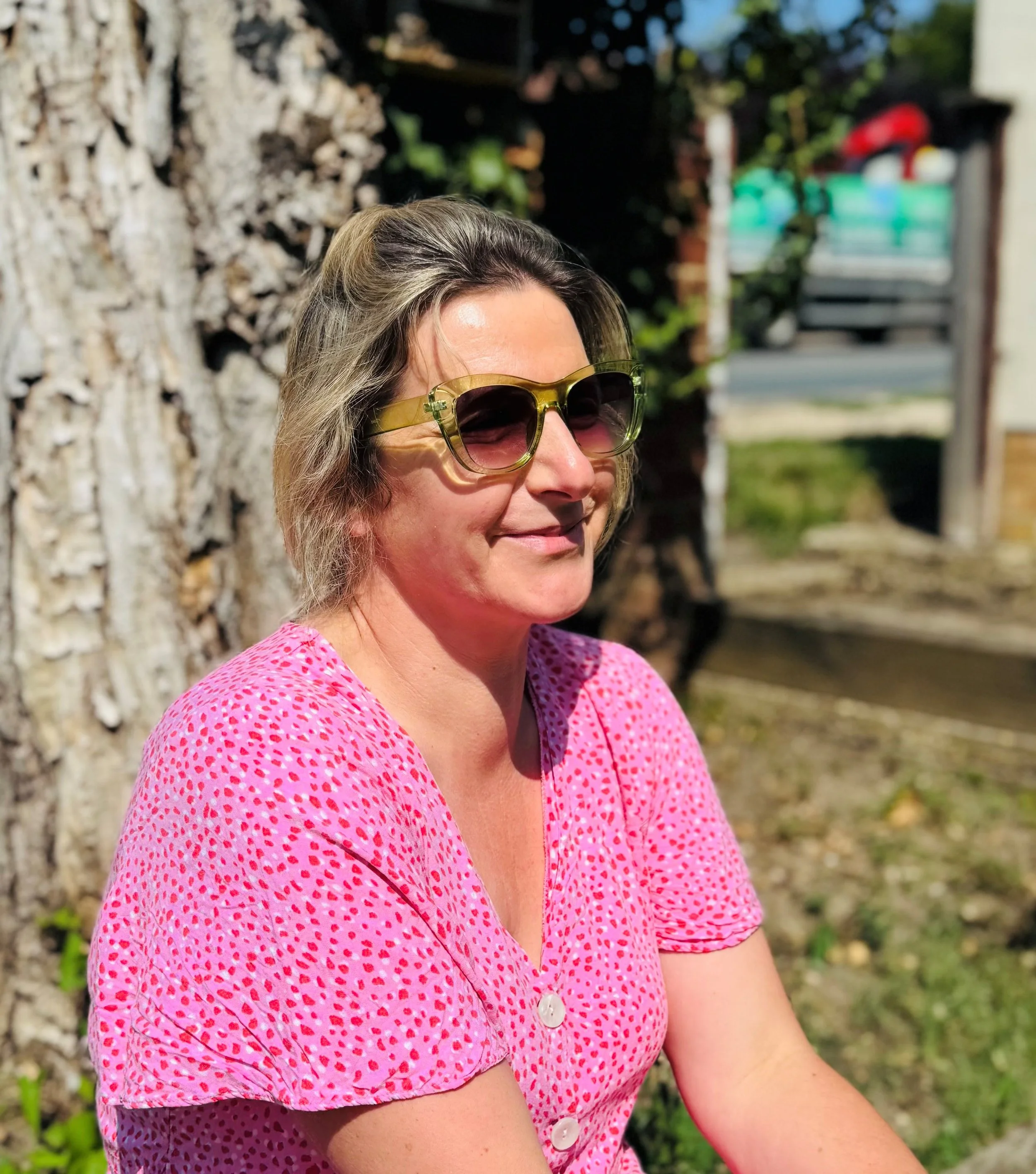

Client Support Manager, Sue, joined TVPS in 2018
1.)When did you first get involved with TVPS and what brought you to this work?
I first got involved with TVPS about seven years ago. I was looking for an opportunity where I could make a real difference in people’s lives and contribute to something meaningful and the door opened at TVPS.
2.)How have things changed over time, in your opinion, for people living with HIV
There have been significant changes for people living with HIV. One of the most important developments has been the advancement in medication, treatment is now more effective, with fewer side effects, and allows people to live long, healthy lives.
3.)…And for support workers like yourself?
Since Covid I've seen a change in the level and type of support people want and need from TVPS, we offer more tailored support to individual needs. We have a more diverse group of people accessing our services now, including a rise in employed people, single individuals, asylum seekers and older people who have been living with HIV for much of their adult life. For some people it is about reducing their isolation, wanting to meet other people living with HIV, share their experiences and also knowing they aren’t alone, I feel the coffee mornings TVPS run provides this platform.
4.)Can you share a moment or story that’s stayed with you, one that shows the impact of the support we offer?
There are many stories that highlight the need for our support and the real difference we can make when a person engages with our service. One story that has stayed with me and reminds me of why I do this job. A person had been trafficked to the UK— history of abuse, completely alone, with no friends or family, and a single parent, sofa surfing just to survive. It wasn’t until someone told them about TVPS that things began to change. Fast forward three years, this person was given leave to remain, a safe and stable home, sort and secured employment themselves since being given the right to work in the work, to me that is success and what TVPS does best. It stands as a powerful reminder of how vital our work is in helping people rebuild their lives with dignity, safety, and hope.
5.)What do you hope for the next forty years of TVPS and our service users living with HIV?
A more inclusive, welcoming and kind society for us as a charity and more importantly for our client base! I'd love to see more of our services users feel strong enough and supported by their families/communities/peers/professional services to allow them to speak up and have their voice heard. To feel comfortable to share their stories of living with HIV in a world where they are not judged, feel safe and supported to be open and proud about who they are and the journey they have been on, to break the stigma that hangs over a person living with HIV